
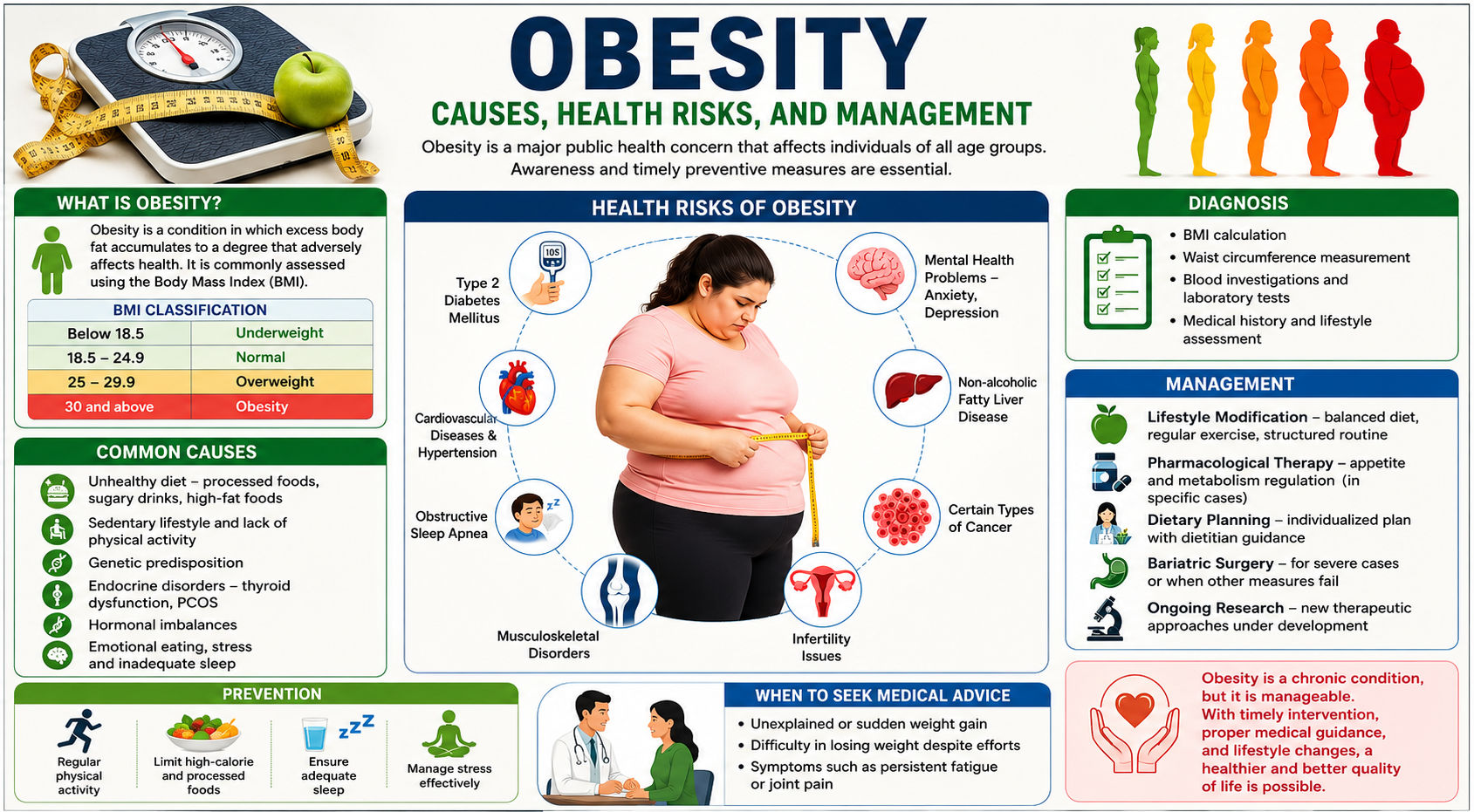
Obesity: Causes, Health Risks, and Management
Obesity is a major public health concern that is widely prevalent across the world. It can affect individuals of all age groups. The fundamental cause is the excessive accumulation of body fat. Due to changes in lifestyle and dietary habits, its incidence has increased significantly in recent years. Therefore, awareness and timely preventive measures are essential.
Obesity is defined as a condition in which excess body fat accumulates to a degree that adversely affects health. It is commonly assessed using the Body Mass Index (BMI). A BMI between 25 and 29.9 is classified as overweight, while a BMI of 30 or above is considered obesity. In addition, waist circumference and other clinical parameters are also taken into account by healthcare professionals during evaluation. There are multiple contributing factors to obesity. Unhealthy dietary habits, particularly excessive consumption of processed foods, sugar-sweetened beverages, and high-fat foods, are major contributors. Sedentary lifestyle, genetic predisposition, endocrine disorders such as thyroid dysfunction, and hormonal imbalances like polyendocrine metabolic ovarian syndrome (PMOS/ PCOS) may also play a role. Furthermore, emotional eating related to psychological stress and inadequate sleep can contribute to weight gain. Obesity significantly increases the risk of several serious health conditions. These include type 2 diabetes mellitus, hypertension, cardiovascular diseases, stroke, non-alcoholic fatty liver disease, obstructive sleep apnea, musculoskeletal disorders, infertility-related issues, and certain types of cancer. It may also adversely affect mental health, leading to reduced self-esteem, anxiety, and depression. Diagnosis is primarily based on BMI calculation and measurement of waist circumference. Blood investigations and other laboratory tests may also be performed. A comprehensive assessment, including the patient’s medical history and lifestyle habits, is essential for accurate clinical evaluation. The cornerstone of management is lifestyle modification. Adoption of a balanced and healthy diet, regular physical activity, and a structured daily routine are essential. In certain cases, pharmacological therapy may be used to regulate appetite and metabolism. Individualized dietary planning with the assistance of a dietitian is highly beneficial. In severe cases, or when conservative measures fail, bariatric surgery may be considered. Ongoing medical research continues to develop new therapeutic approaches. Prevention involves establishing healthy habits from an early age. This includes regular physical activity, limiting high-calorie and processed foods, ensuring adequate sleep, and effective stress management. Medical consultation is recommended if there is unexplained or sudden weight gain, difficulty in losing weight despite efforts, or the presence of symptoms such as persistent fatigue or joint pain. Although obesity is a chronic medical condition, it is manageable. With timely intervention, appropriate medical guidance, and sustained lifestyle modifications, significant improvement in health and quality of life can be achieved.